A black-and-white sneaker with a gum sole is not supposed to dominate fashion for years. Yet it has. If you have been wondering, why are Sambas so popular, the answer is bigger than one celebrity outfit or one viral TikTok. The Adidas Samba landed at exactly the right point between sports heritage, low-profile styling, accessible pricing, and the wider move away from oversized running shoes.
It is also a rare case of a sneaker that works for people who collect shoes and people who only want one pair they can wear five days a week. Sambas feel familiar without looking dated, fashionable without demanding a complicated outfit, and recognizable without being as loud as a limited collaboration. That balance is hard to manufacture.
Why Are Sambas So Popular Right Now?
The short version: fashion changed shape. For much of the late 2010s and early 2020s, thick-soled runners, exaggerated basketball shoes, and technical silhouettes carried sneaker culture. Then the pendulum swung toward slim profiles. Loafers, ballet flats, soccer-inspired sneakers, and narrow retro trainers started taking up more space in everyday wardrobes.
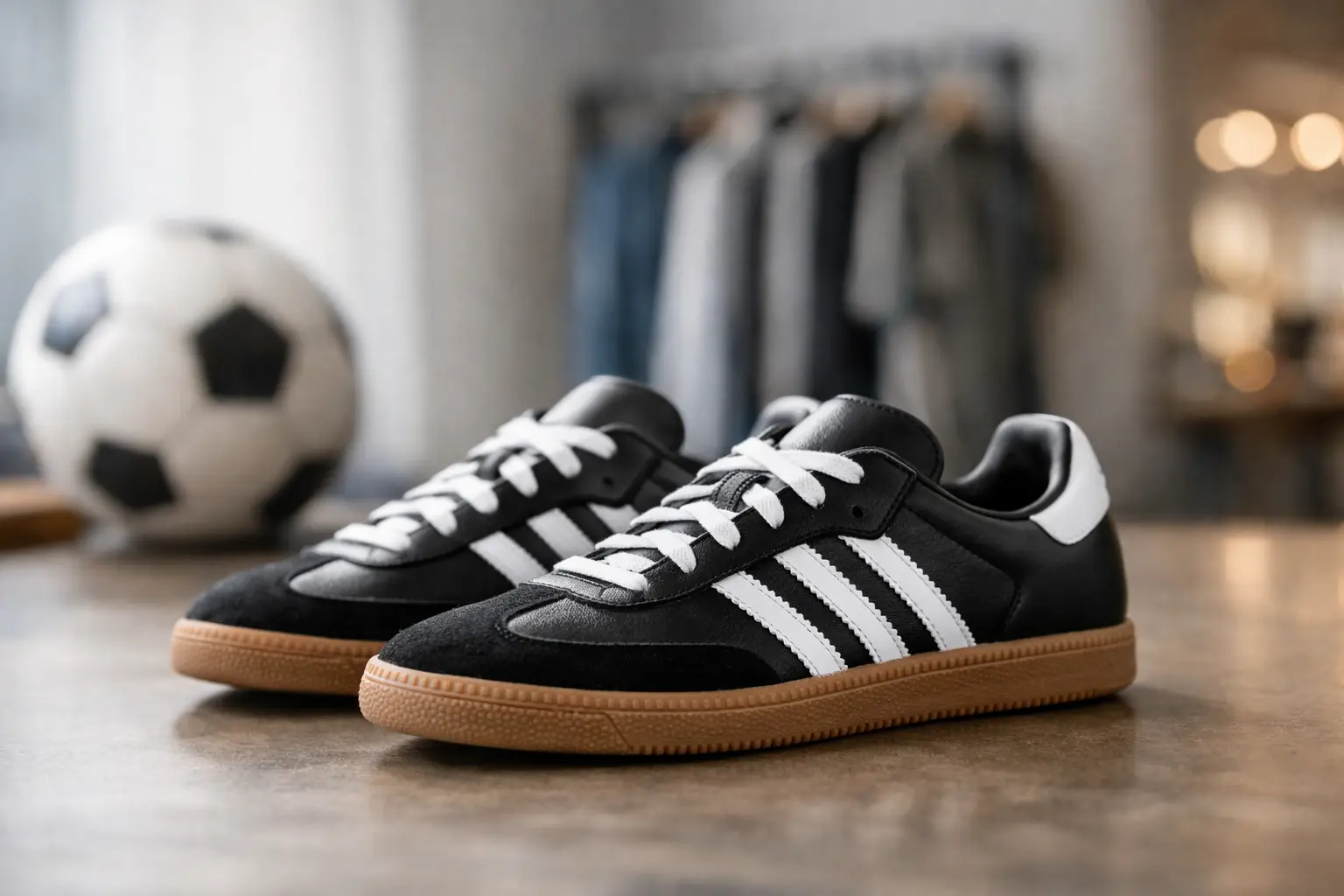
The Samba was already waiting. It did not need a redesign to fit the moment. Its low sole, narrow toe, suede T-toe overlay, leather upper, and gum outsole look clean beside wider jeans, tailored trousers, track pants, shorts, or a long skirt. When a silhouette fits multiple style directions at once, it becomes much easier for it to move beyond a niche sneaker audience.
There is a social factor too. A Samba is recognizable from across the street, but it does not read as a flex-first sneaker. That makes it useful in an era when many fashion-conscious shoppers want pieces with cultural credibility without wearing something that looks engineered for attention. It has history, but it is not a history lesson on your feet.
Football heritage gives the shoe substance
The Adidas Samba began as a football shoe designed for icy and hard outdoor surfaces in the mid-20th century. It eventually became part of indoor soccer culture, and then became closely linked with European terrace style. That lineage matters because it gives the shoe a real identity beyond trend cycles.
Plenty of retro shoes borrow athletic references. The Samba has them built in. The gum sole is functional history, not just a styling detail. The low cut and reinforced toe come from a purpose-driven design. Even if someone wearing Sambas has never played indoor soccer, those cues make the shoe feel more authentic than a newly created "retro" model.
For sneaker fans, that authenticity is valuable. For fashion shoppers, it creates texture. A Samba can make a simple outfit feel considered because the shoe carries a story without requiring a logo-heavy look.
The design is almost aggressively versatile
The best everyday sneakers solve a practical problem: they make getting dressed easier. Sambas do that unusually well. A white leather pair with black stripes works as an alternative to clean white tennis sneakers. A black pair can ground a darker, more minimal outfit. Brown, green, burgundy, metallic, and suede variations let the same silhouette move into more expressive territory.
Their profile also helps. Bulky shoes can overwhelm slimmer pants, and ultra-technical runners can clash with tailoring or vintage clothing. Sambas sit close to the ground, so they tend to support an outfit rather than dominate it. That is why they appear just as naturally with washed denim and a vintage jacket as they do with a pleated skirt, nylon pants, or relaxed wool trousers.
This does not mean every Samba colorway is equally easy to wear. Bright collaborations, pony-hair editions, and unusual materials can become the focal point of an outfit. But the base model is simple enough to be a dependable rotation shoe, which is a major reason demand has stayed broad.
Celebrity visibility helped, but it was not the whole story
High-profile wearers undeniably pushed the Samba back into the mainstream. When models, musicians, stylists, and athletes repeatedly wear the same shoe in off-duty looks, it quickly becomes a reference point. Social platforms then do what they do best: turn a handful of influential outfits into thousands of saved posts, outfit recreations, and shopping searches.
Still, celebrity heat alone does not create staying power. Plenty of sneakers get photographed for a season and disappear because they are too expensive, too difficult to style, or too tied to one specific aesthetic. The Samba stayed because people could actually buy it, wear it, and make it their own.
Its success is less about copying one famous person and more about its adaptability. A fashion editor can wear a sleek leather Samba with sharp tailoring. A football fan can wear a classic black pair with straight-leg jeans. A streetwear customer can use a colorful edition to break up a neutral fit. The shoe travels well between those worlds.
Collaborations kept the Samba from becoming predictable
A classic silhouette needs fresh energy if it is going to remain culturally relevant. Adidas has used collaborations and material updates to do exactly that. Fashion labels, boutique partners, musicians, and creative directors have all found ways to reinterpret the Samba without losing its recognizable shape.
That is a key distinction. The best collaborations do not turn the Samba into an unrecognizable object. They push texture, color, branding, proportions, or construction while preserving the familiar T-toe and low gum sole. The result is a model that can satisfy both someone chasing a special release and someone who prefers a standard pair.
This range also creates a natural ladder for buyers. You can start with a general-release OG colorway, then move toward a suede version, a platform-adjacent variation, a premium leather pair, or a more collectible collaboration if it fits your taste and budget. The entry point is approachable, but the rabbit hole goes deep.
The price and availability matter more than hype culture admits
Sambas have benefited from being desirable without being impossible. Compared with many hyped sneakers, a standard pair is usually priced within reach of someone building an everyday wardrobe. That makes the shoe easier to replace, easier to wear without overthinking, and easier to recommend.
Availability has not always been perfect. Popular sizes and classic colorways can sell through quickly when demand spikes. Some collaboration pairs also command significantly more on the secondary market. But the core Samba is not built around artificial scarcity, which helps it maintain relevance after the first rush of hype fades.
That accessibility is part of its cultural power. A shoe becomes truly influential when it appears in different cities, age groups, and style communities, not only on the feet of people who can chase every limited drop. The Samba has reached that level.
The trade-offs: Sambas are not for every foot or every outfit
Popularity does not make a shoe universally perfect. Sambas have a relatively slim, low-volume shape, and many people with wide feet find them snug. Sizing can depend on the version and materials, but trying your usual size first is sensible. If the toe box already feels restrictive in the store, hoping it will dramatically stretch is rarely a great plan.
Comfort is another point to keep realistic. The Samba is a heritage indoor-soccer silhouette, not a modern cushioned running shoe. It is excellent for casual daily wear, short walks, and city outfits, but it may not be the best choice for long days spent standing or traveling if you need substantial arch support and soft foam underfoot.
There is also the overexposure question. When a shoe is everywhere, some people naturally want the opposite. If you like the Samba's clean, low-profile direction but want less obvious footwear, consider adjacent retro indoor styles, other Adidas terrace models, or similarly slim sneakers from different brands. Trends are most useful when they help you identify what you genuinely like, not when they pressure you into wearing the exact same pair as everyone else.
How to wear Sambas without looking like you copied the algorithm
Start with proportion, not trend formulas. Sambas look strongest when the rest of the outfit has a relaxed, deliberate shape. Straight or slightly wide denim works because the slim shoe creates contrast. Cropped pants can work too, especially with visible socks that add color or texture. With shorts, the low profile keeps the outfit light rather than overly athletic.
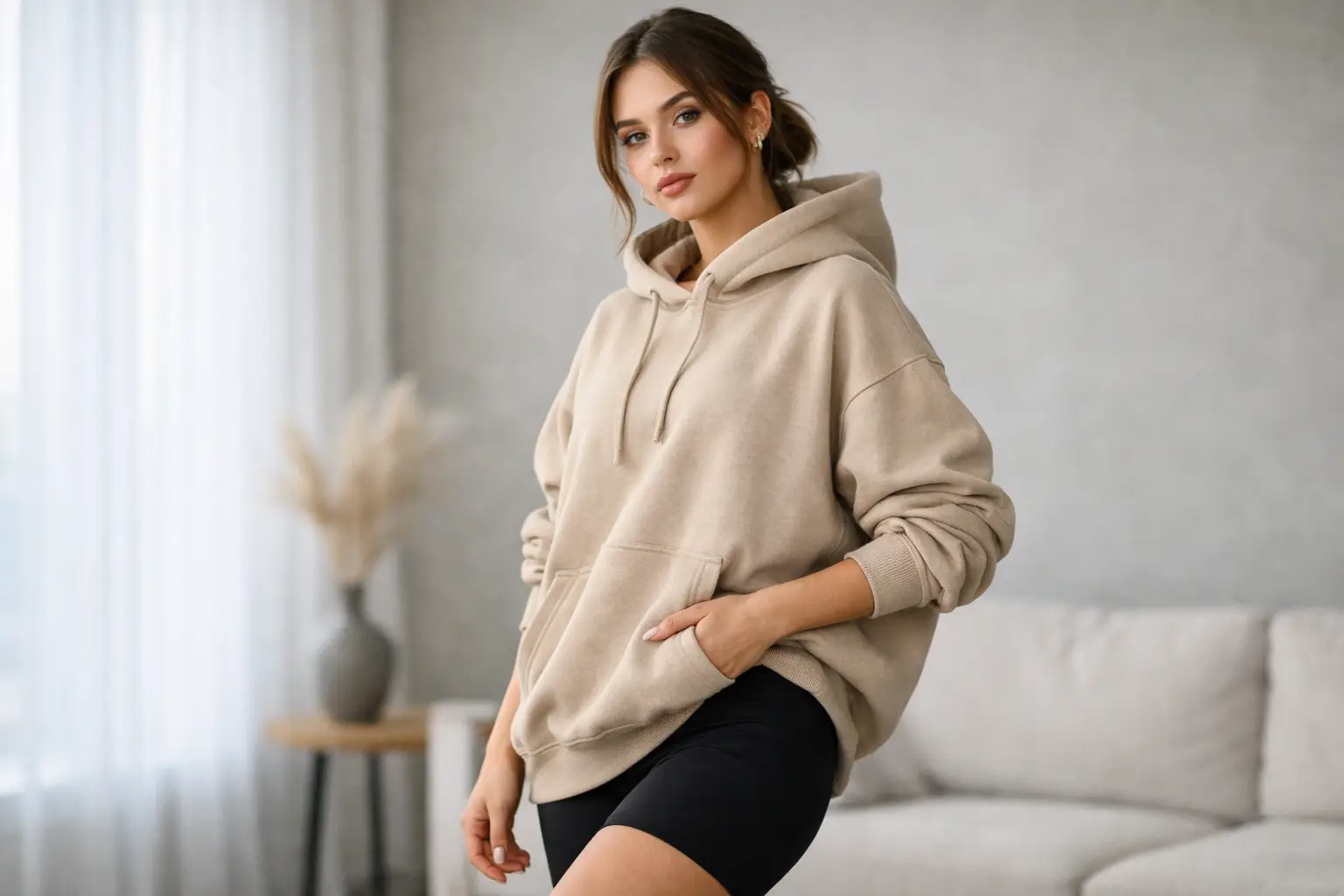
For an easy daily look, pair black Sambas with faded jeans, a heavyweight tee, and an overshirt or bomber. For something cleaner, use white Sambas with dark trousers and a knit polo, hoodie, or simple jacket. If you have a bold colorway, keep the rest of the palette quiet and let the sneaker carry the visual energy.
The most convincing Samba outfits do not treat the shoe as a trend trophy. They use it as a piece of design with real history, clean lines, and enough personality to pull a look together. Wear the pair that fits your wardrobe, put miles on it, and let the creases tell a better story than a perfect shelf photo ever could.