A pair sells in minutes, the buyer sounds serious, and payment lands in your inbox from an address you have never seen before. That is usually where problems start. Safe sneaker selling methods are not about slowing down your sales. They are about protecting your pair, your payout, and your reputation in a market where one bad transaction can erase the profit from five good ones.
The resale market moves fast, but speed without control is where sellers get exposed. Chargebacks, fake payment confirmations, switched returns, and claims over condition all hit hardest when the process is loose. If you sell occasionally from your personal collection or move inventory every week, the safest method is the one that limits direct risk and creates proof at every stage.
What safe sneaker selling methods actually look like
At a practical level, safe sneaker selling methods do three things well. They verify who is involved in the transaction, they document the item before it leaves your hands, and they control payment and shipping so neither side is relying on trust alone.
That is why managed marketplaces consistently outperform informal peer-to-peer deals on safety. When a platform handles payment collection, authentication, order tracking, and payout, the seller is not left negotiating every risk alone. You are working inside a process designed to reduce disputes instead of reacting to them after the fact.
Direct sales can still work, especially for local meetups or repeat buyers, but the margin for error is much higher. The more expensive or in-demand the pair, the less room you have for informal handling.
The safest place to sell depends on the risk profile
Not every pair needs the same selling method. A general release in gently used condition creates one level of risk. A deadstock hyped collaboration with a four-figure resale price creates another.
For high-value pairs, a marketplace with authentication and protected payments is usually the strongest option. The reason is simple. High-value inventory attracts more fraud attempts, more scrutiny over condition, and more pressure around authenticity. A managed transaction model adds structure where it matters most.
For mid-tier pairs, the best method often depends on your priorities. If maximum speed matters more than top dollar, you might accept a lower margin in exchange for a cleaner process. If price matters most, you may list more aggressively, but then your listing quality and transaction discipline need to be stronger.
For local cash deals, safety depends almost entirely on execution. Public meeting spots, instant verification of funds, and no handoff before payment clears are basic requirements. Even then, local deals carry personal and logistical risk that platforms are built to remove.
Listing accuracy is a security tool, not just a sales tool
One of the most overlooked safe sneaker selling methods is writing a listing that leaves very little room for dispute. Vague descriptions do not just hurt conversion. They create openings for buyers to challenge the transaction later.
Your listing should clearly state size, condition, accessories included, flaws, and whether the pair is worn, tried on, or deadstock. If the box has damage, say it. If insoles were swapped, say it. If the pair fits slightly small because of the model, that can help too, although fit guidance should never replace the actual labeled size.
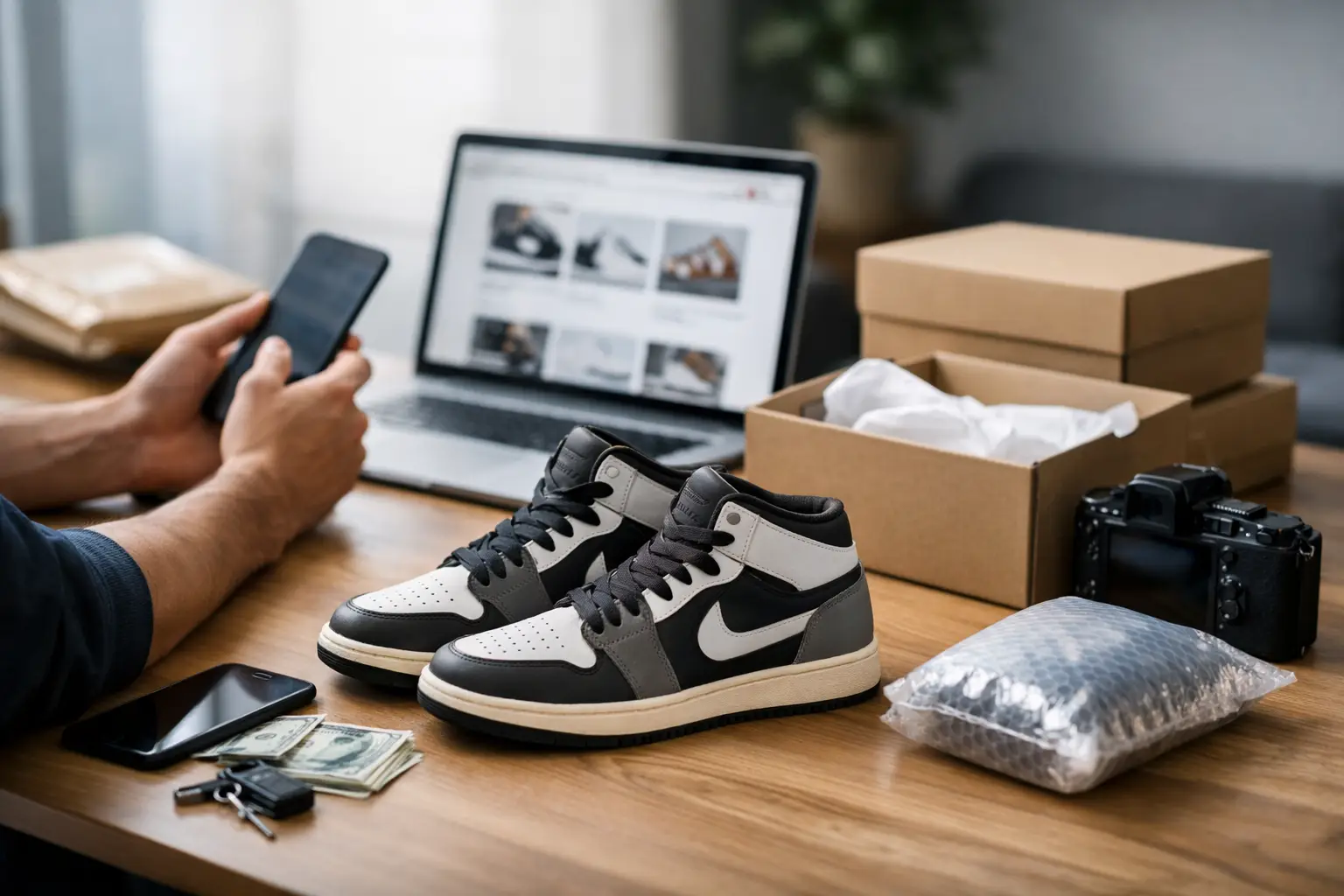
Photos matter just as much. Use consistent lighting and show every angle buyers expect to inspect - toe box, heel, outsole, insole, size tag, box label, and any visible wear. For high-demand models, detailed photos of stitching, shape, and materials do more than improve buyer confidence. They also create a record of the exact pair you shipped.
That record becomes critical if a buyer later claims the shoes arrived in different condition or alleges that something was missing. Clear listings reduce misunderstandings, but they also protect the seller if a dispute appears.
Payment protection is where many sellers get careless
A buyer saying they paid is not the same as cleared payment. Screenshot confirmations, forwarded emails, and messages claiming a bank delay should never be treated as proof. If the funds are not visible in the approved platform or verified account, the sale is not complete.
This is where managed platforms have a structural advantage. Payment is collected before the item moves, and payout follows an established verification process. That removes one of the biggest failure points in sneaker resale - the seller shipping based on pressure instead of confirmed payment.
If you are selling outside a managed marketplace, the rule is straightforward. Only accept payment methods with clear seller protection and only ship after funds are fully confirmed. Instant payment claims can still be reversed later depending on the method used, so what looks fast is not always safe.
Low-friction sales are attractive, but payment shortcuts usually benefit the buyer more than the seller. When the pair is gone, your leverage is gone too.
Shipping is part of the risk, not just the last step
A lot of sellers treat shipping like basic admin. In reality, it is one of the most important control points in the transaction.
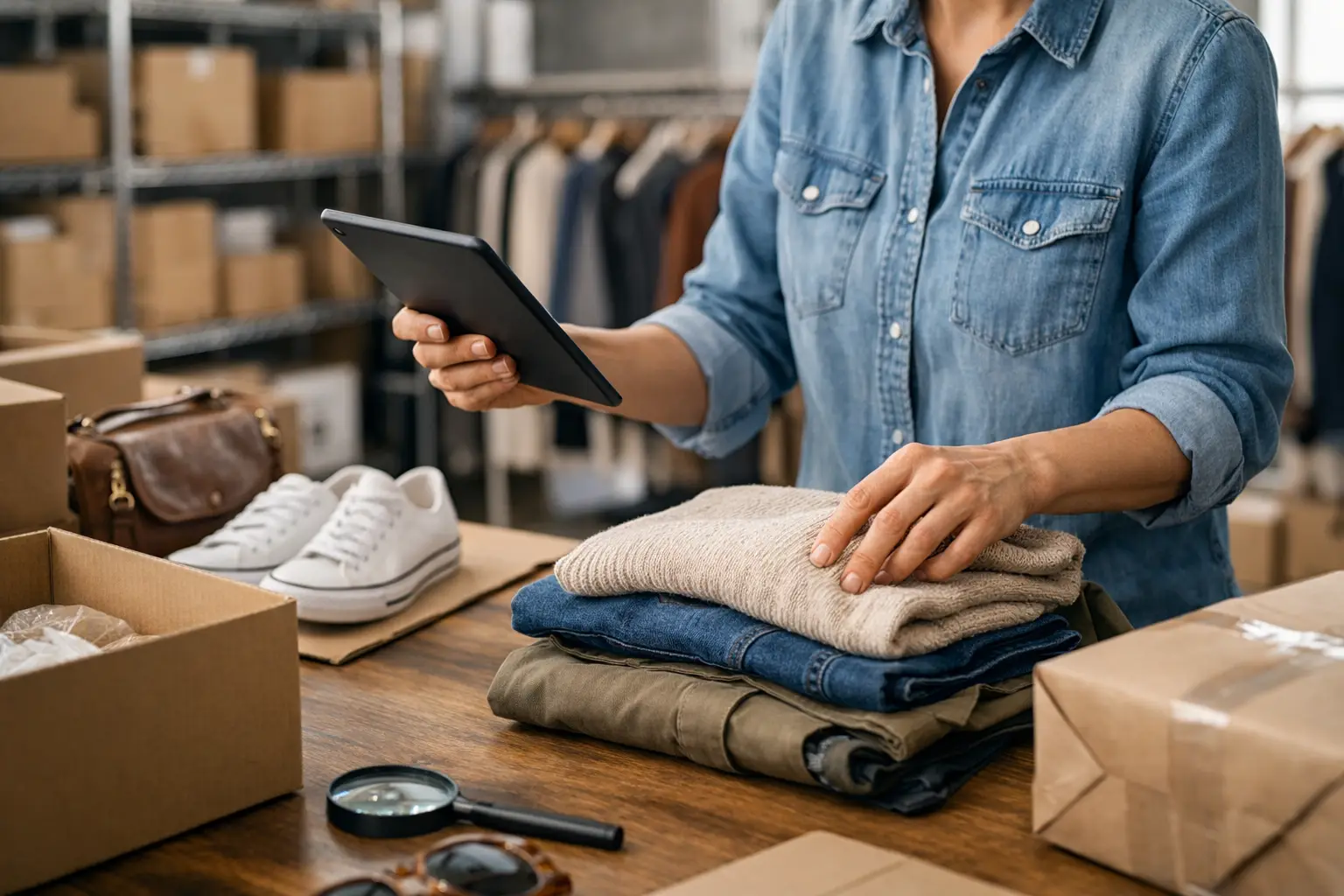
Before shipping, photograph the pair again as packed. Capture the sneakers, box, accessories, and final package condition. Use sturdy packaging with enough support to prevent movement or corner crushing, especially on premium pairs where box condition affects value. If the original sneaker box matters to the sale, protect it like part of the product, because it is.
Tracked shipping is non-negotiable. Signature confirmation makes sense for higher-value orders, but there is a trade-off. It adds proof of delivery, yet it can create delays if the recipient misses the delivery window. For expensive pairs, that trade-off is usually worth it.
Insurance also depends on item value. On lower-margin pairs, the cost may not justify the coverage. On rare or premium inventory, it often does. Safe sneaker selling methods are not about adding every protection to every shipment. They are about matching protection to the downside if something goes wrong.
Authentication changes the seller's exposure
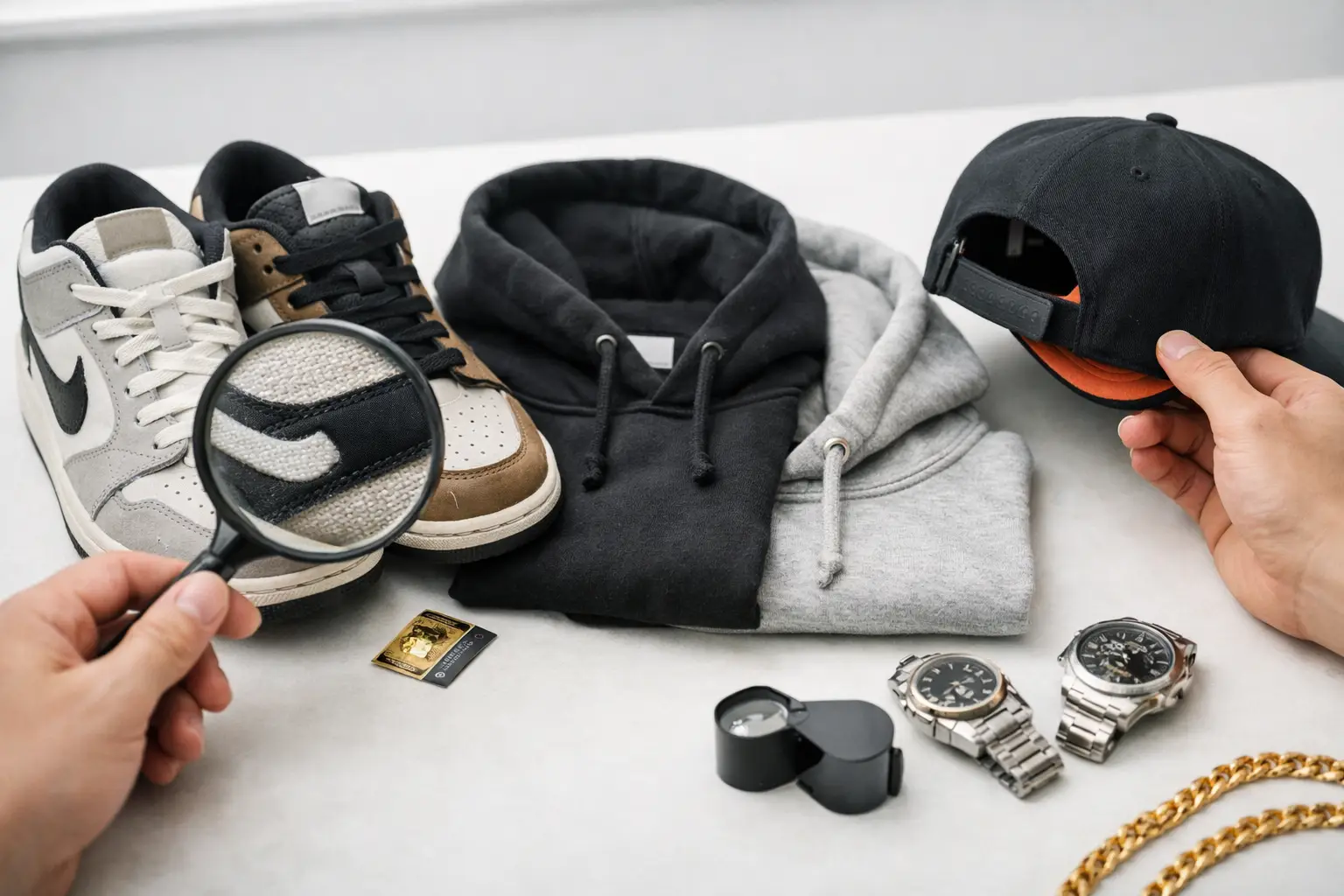
Authentication is often discussed as a buyer benefit, but it matters just as much for sellers. If your pair goes through expert verification before reaching the buyer, that creates an objective checkpoint in the transaction. It confirms what was sent, how it matched the listing, and whether the item is legitimate.
That checkpoint reduces one of the most frustrating risks in resale - the seller shipping a real item and then having to defend that fact after delivery. When authentication sits inside the selling process, disputes around legitimacy become easier to resolve because the transaction is not based on opinion alone.
For serious sellers, this is why specialized marketplaces tend to outperform broad listing sites. The platform is not only matching supply and demand. It is actively controlling authenticity, fulfillment quality, and payment release. That operational layer is where trust becomes commercially useful.
A trust-first marketplace such as Solepoint fits this model well because every item is verified before shipment, payments are protected, and the process is built to reduce the exact friction points that make resale risky.
How to spot unsafe selling situations early
Most bad transactions show warning signs before the item moves. Buyers who rush you away from platform checkout, ask to switch payment methods at the last minute, avoid clear communication, or push for overnight shipping before confirmed payment are not just being difficult. They are changing the risk equation.
Another common issue is the buyer who shows intense interest but avoids the details that matter. Serious buyers of premium sneakers usually care about condition notes, size label photos, and authenticity confidence. Buyers who focus only on speed while trying to bypass standard process deserve extra caution.
Overpayment is another classic problem. If someone sends more than the agreed amount and asks for part of it back through a different method, stop immediately. That is not a customer service issue. It is a fraud pattern.
The same goes for off-platform negotiation after contact starts in a marketplace. Once a buyer tries to move the transaction outside the protected process, you are losing the safeguards that justified listing there in the first place.
The best method is usually the one with the least improvisation
Experienced sellers do not rely on instinct alone. They rely on repeatable process. Good listings, protected payments, tracked shipping, documented condition, and authentication are not overkill. They are the basic infrastructure of safe resale.
If you want one standard worth following, use selling channels that verify items, hold payment securely, and create a documented path from listing to delivery. You may give up some flexibility, and in some cases a small slice of margin, but you gain consistency, buyer confidence, and far less exposure to fraud.
That is the real advantage of safe sneaker selling methods. They do not just help you avoid losses. They make your business more scalable, your sales cleaner, and your inventory easier to move with confidence.
The smartest sellers are not the ones who take the most risk. They are the ones who make every transaction harder to break.