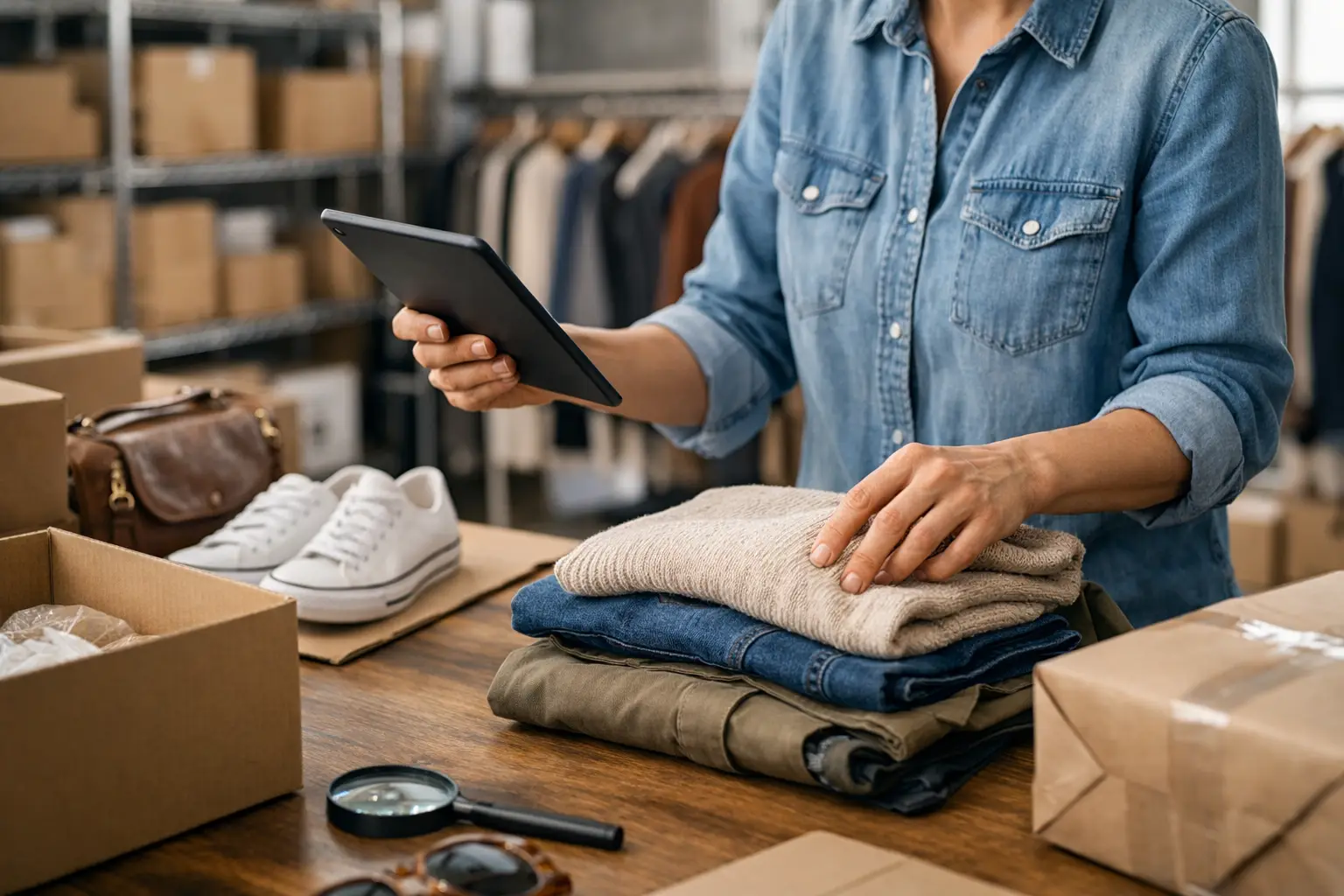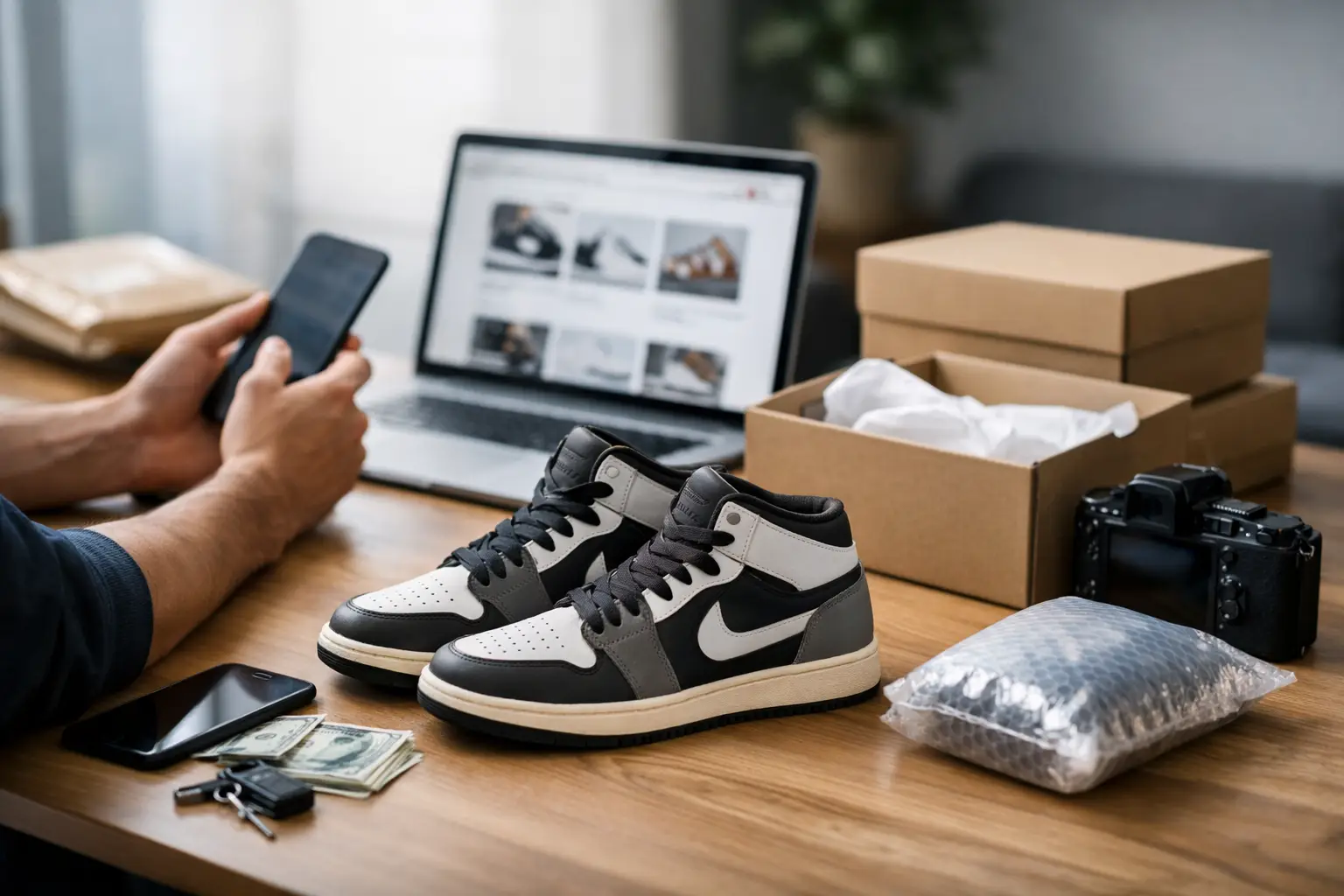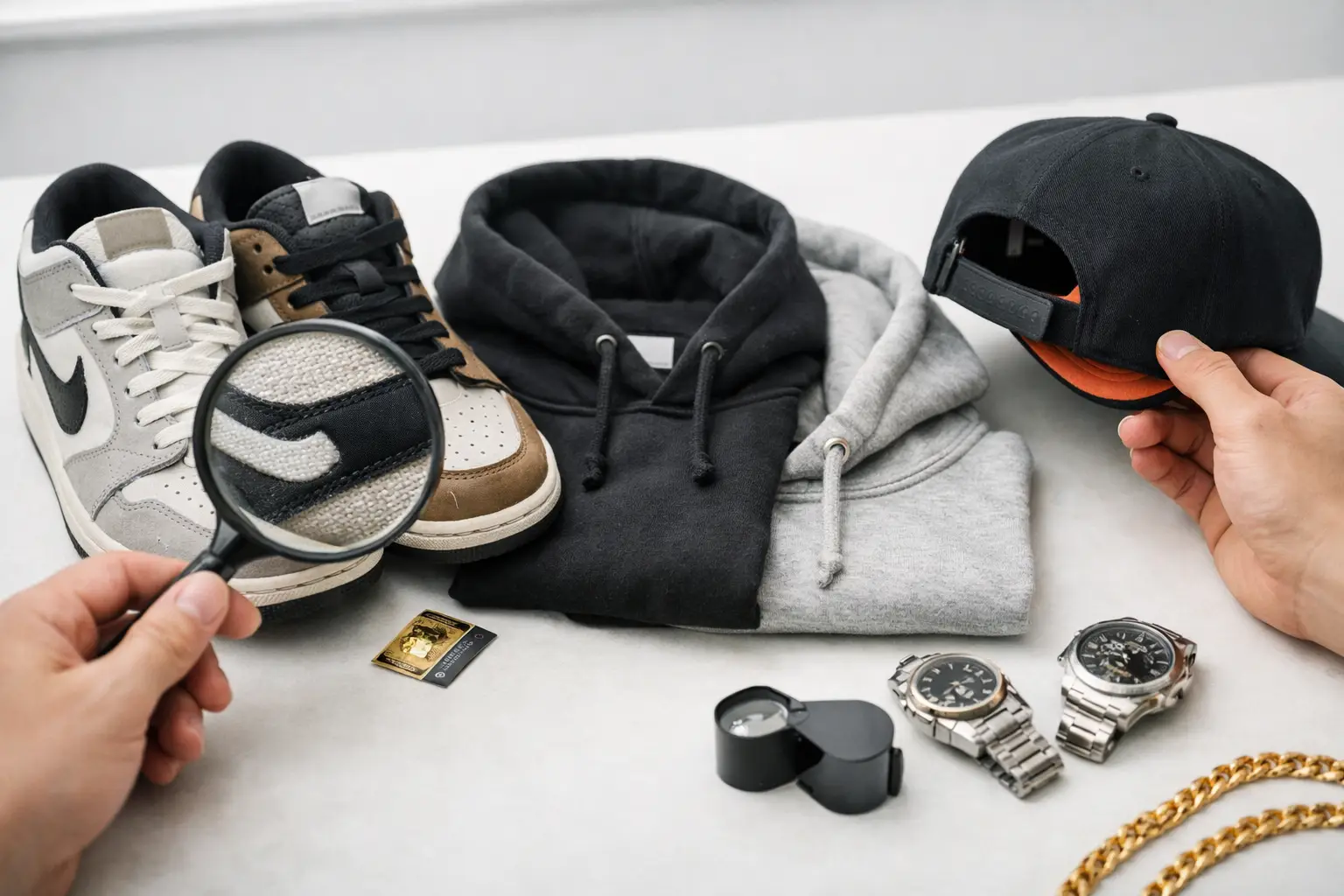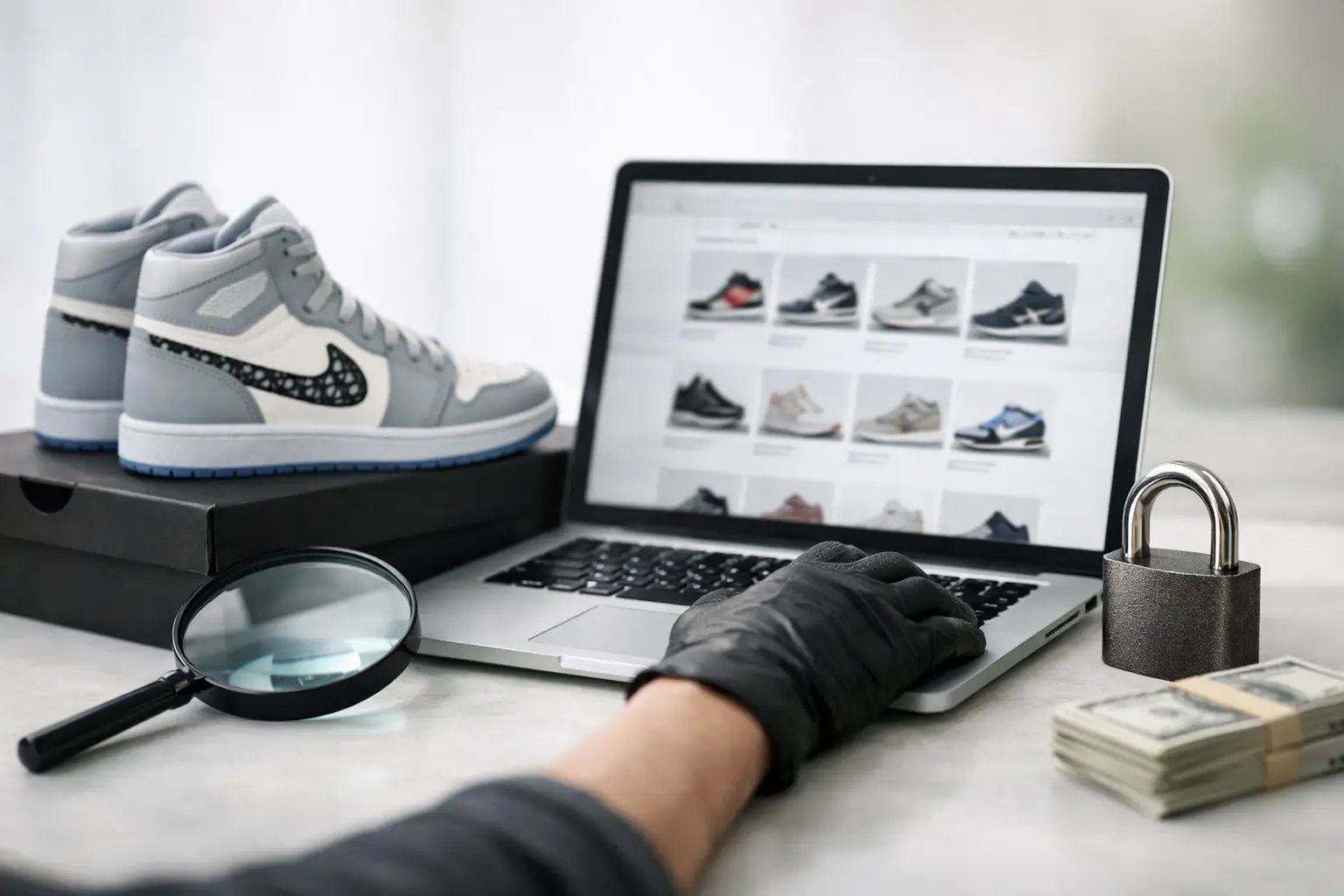
A pair priced well below market can feel like a win right up until the box arrives and nothing adds up. Wrong size tag. Off color. Missing accessories. Or worse, a convincing fake that slips past an untrained eye. That is why the real question is not just is sneaker resale safe online. It is what has to be in place for it to be safe.
The short answer is yes, online sneaker resale can be safe. But it depends heavily on where you buy, how the transaction is handled, and whether the platform actually controls the risky parts of the deal. In sneaker resale, trust is not a slogan. It is an operating model.
Is sneaker resale safe online on every platform?
No. The resale market is not equally safe across all platforms, even if they look similar on the surface. Some sites simply connect buyers and sellers and leave most of the risk with the user. Others take possession of the item, authenticate it, manage payment, and oversee delivery. That difference matters more than almost anything else.
When a marketplace only acts as a bulletin board, buyers often rely on photos, chat messages, and seller ratings. That can work for low-risk categories, but high-demand sneakers attract counterfeiters, bait-and-switch listings, and sellers who disappear after payment. A polished profile does not replace product verification.
A safer model is one where the platform sits in the middle of the transaction. The seller ships the item to the platform first. The platform checks authenticity and condition against the listing. Only then does the product move to the buyer. That process slows things slightly compared with direct shipping, but it removes the biggest failure point in resale: blind trust.
What actually makes online sneaker resale safe
Safety in resale is not about one feature. It comes from a stack of controls working together.
Authentication is the first layer. If the platform has trained experts reviewing SKU, materials, shape, stitching, labels, packaging, and release-specific details, counterfeit risk drops sharply. The best marketplaces treat authentication as an operational function, not a marketing line.
Protected payments are the second layer. If money is released before the product is checked, the buyer carries too much risk. A safer system holds funds until the item passes review. That protects buyers from fake or mismatched inventory and protects sellers from payment fraud when the transaction is properly documented.
Accurate listings are the third layer. A real pair can still be a bad transaction if the condition is misrepresented. Clear standards for new, used, damaged box, missing extras, and wear level help reduce disputes before they start.
Tracked shipping is the fourth layer. High-value sneakers should never move through vague, untracked delivery. Tracking creates accountability and a timeline. It does not stop every issue, but it makes claims, investigations, and support much more straightforward.
The final layer is a clear resolution policy. If an item fails authentication, differs from the listing, or never arrives properly, the buyer should know exactly what happens next. Refund terms should be specific, visible, and easy to understand.
The biggest risks buyers face
Counterfeits still sit at the top of the list. Some are obvious. Others are close enough to fool a casual buyer, especially on limited releases with volatile resale prices. If you are buying heat, collaboration pairs, or older deadstock inventory, the risk goes up because the payoff for bad actors is higher.
Misrepresentation is just as common. A seller may use old photos, hide toe box creasing, leave out sole separation, or fail to mention replacement insoles or laces. Even if the pair is authentic, the value changes fast when condition is not accurately disclosed.
There is also transaction fraud. That includes chargebacks, fake shipping confirmations, rerouted packages, and off-platform payment requests. If someone asks you to move the deal into private messages to save fees, that is usually a sign that your protection is about to disappear.
Then there is the softer risk: delays and poor communication. In a market driven by release cycles, gifting windows, and pricing swings, slow fulfillment matters. Safety is not only about avoiding scams. It is also about getting what you paid for within a reasonable process.
How to tell if a resale platform is trustworthy
Start with the transaction flow. If the platform explains exactly where the item goes first, when authentication happens, and when payment is released, that is a strong sign of operational control. If the process feels vague, assume the risk sits with you.
Next, look at how they talk about authentication. Trustworthy platforms are specific. They describe expert review, verification checkpoints, and what happens when an item fails inspection. Generic language without process detail usually means less control behind the scenes.
Buyer protection should also be easy to find. You should not need to read ten pages of fine print to figure out whether mismatched items qualify for a refund. Good marketplaces make the terms visible because protection is part of the value, not a hidden exception.
Pay attention to listing standards too. A serious resale platform does not let sellers post low-effort descriptions and blurry photos with no consequences. Better standards lead to better inventory quality and fewer disputes.
Finally, look at fulfillment discipline. Fast verification, status updates, and tracked delivery are signs that the platform is built for scale, not just traffic. In this category, operations are trust.
Is sneaker resale safe online for sellers too?
It can be, and sellers need protection just as much as buyers. A weak platform exposes sellers to fraudulent claims, chargebacks, and wasted time from unreliable buyers. If you are moving valuable inventory, you need a system that documents the item, tracks possession, and controls payout timing.
The safest setup for sellers is similar to the safest setup for buyers: a managed marketplace. Once the seller ships to the platform and the item is verified, there is a record of what was sent and what condition it arrived in. That cuts down on bad-faith disputes later.
Payout speed matters too. Sellers do not want their cash tied up indefinitely after a successful transaction. A strong platform balances verification rigor with quick turnaround. That balance is where commercial trust lives. For active resellers, delays cost money.
The trade-off between speed and safety
Some buyers want instant shipping directly from a seller. That can work if the seller is proven and the pair is low risk, but it increases exposure. The fastest route is rarely the safest route in a category where one bad purchase can wipe out the savings from several good ones.
Managed authentication adds a step, but it gives the transaction structure. For most buyers, especially on expensive pairs, that extra checkpoint is worth it. The same goes for sellers who care about verified delivery and reliable payout.
This is where many shoppers make the wrong comparison. They compare total delivery time without comparing total risk. A deal that arrives two days earlier is not better if it creates weeks of dispute resolution.
A practical standard for safer buying
If you want a simple rule, buy through platforms that verify every item before it reaches the buyer, protect payment during the process, and provide a refund path when the product does not match the listing. Those three pieces cover most of the market’s real problems.
It also helps to stay disciplined as a buyer. Be cautious with prices that sit far below market. Read condition notes closely. Keep communication on-platform. Avoid payment requests outside the checkout flow. If the seller or platform creates pressure to move fast without giving clarity, walk away.
For serious buyers and sellers, the best resale experience does not come from taking more risk. It comes from using infrastructure built to remove it. That is why trust-first marketplaces have gained traction with collectors, resellers, and retail buyers alike. Every item verified. Every transaction protected.
Solepoint is built around that model because the market does not reward guesswork for long. When authentication, payments, logistics, and support are managed properly, online resale stops feeling like a gamble and starts working like a marketplace should.
If you are asking whether sneaker resale is safe online, the answer is yes - but only when the platform earns that yes with control, verification, and clear buyer protection. The safest pair is not just authentic. It is backed by a process you can trust before you ever open the box.