A football jersey under a tailored coat. Washed black denim with a technical shell. A pair of retro runners that looks more considered than flashy. Streetwear trends Europe is producing right now are less about chasing one uniform and more about building a point of view from sport, workwear, music, and local style.
That shift matters. The loud logo-heavy era has not disappeared, but the strongest fits across Europe feel more personal and better edited. People are buying pieces with repeat value, mixing heritage references with modern proportions, and letting footwear do more of the talking. The result is a scene that rewards product knowledge as much as hype awareness.
Streetwear Trends Europe Is Defining in 2026
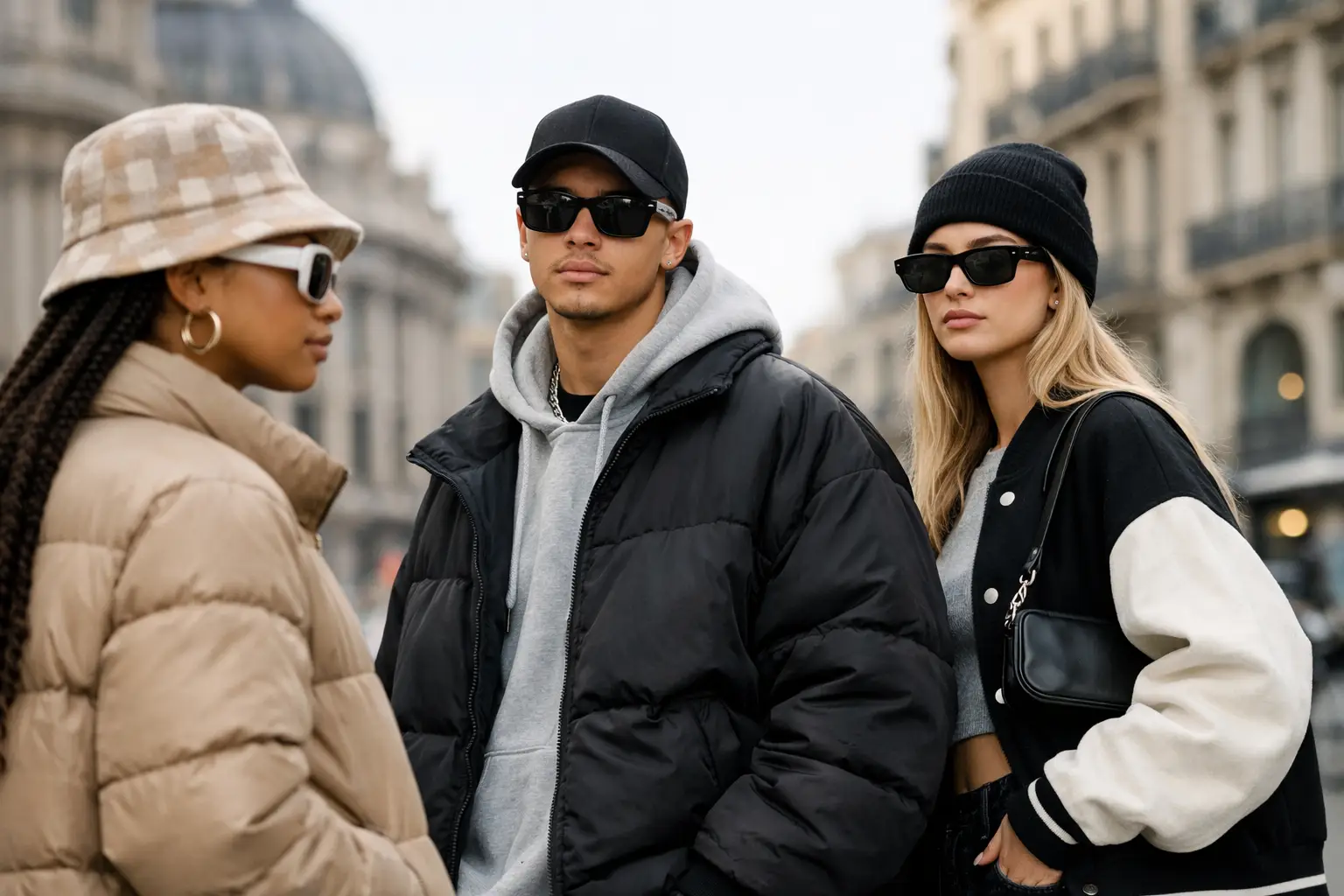
European streetwear has always moved city by city. London is still sharp with sportswear, vintage, and subcultural references. Paris makes casual pieces feel polished. Milan brings cleaner lines and luxury fabric into the mix. Berlin remains less interested in perfection, favoring utility, dark palettes, and lived-in texture. The common thread is not one brand or silhouette. It is intentional contrast.
A technical jacket can sit over a striped knit. Relaxed trousers can make a classic sneaker feel current again. A collectible graphic tee works best when the rest of the outfit gives it room. This is the difference between wearing a rare item and styling it.
Football culture has moved beyond match day
Football shirts are one of the clearest signals in the current rotation, especially older club jerseys, sponsor-heavy designs, and training tops with a slightly oversized fit. Their appeal is bigger than fandom. They bring color, typography, and a real cultural history to an outfit that might otherwise be built from neutral staples.
The best styling avoids making the jersey feel like costume. Pair it with loose dark denim, simple shorts, or straight-leg pants, then keep the footwear grounded. A slim retro sneaker, terrace shoe, or understated runner usually works better than an aggressively bulky pair. If the shirt has a loud crest, collar, and sponsor graphic, the rest of the fit should breathe.
There is a trade-off here. Vintage shirts carry more character, but their sizing can be unpredictable and their fabric often feels less forgiving than a modern top. Check measurements rather than assuming your usual size, especially with 1990s and early-2000s pieces.
Refined workwear is replacing costume utility
Cargo pants are still around, but the oversized, pocket-stacked version is losing ground to more restrained utility. Think painter pants, chore coats, fatigue trousers, carpenter denim, and heavy overshirts in washed canvas or cotton twill. These pieces make an outfit feel durable without turning it into a uniform.
The key is proportion. If the pants are wide, choose a shorter jacket or a tee that finishes around the waistband. If you wear a roomy chore coat, a straighter pant can stop the silhouette from becoming too square. Earth tones, faded navy, charcoal, olive, and cream remain easy choices because they work with both bright sneakers and worn-in suede.
This direction also makes better buying sense than trend-specific statement pieces. A good work jacket can rotate through seasons, while a pair of clean fatigue pants can work with a football shirt, a knit polo, or a simple hoodie. The goal is not to look like you are heading to a construction site. It is to bring texture and structure to casual clothes.
Technical layers are getting quieter
Gorpcore has matured. The visual language of outdoor clothing is still everywhere, but the most convincing looks are not covered in zippers, straps, and reflective logos. European styling is moving toward lighter technical accents: a windbreaker over a sweatshirt, a ripstop overshirt with denim, or a weather-ready shell in a muted color.
A technical layer earns its place when the weather calls for it or when it adds a useful change in fabric. Nylon against fleece, mesh next to denim, or a crisp shell over soft jersey gives a simple outfit depth. On the other hand, piling technical pieces together can feel overly calculated unless you are actually building for rain, travel, or cycling through the city.
Look for pieces that can be packed away, layered easily, and worn without turning the entire outfit sporty. The most wearable versions are usually black, slate, stone, deep green, or faded blue rather than neon expedition colors.
The Sneakers Shaping European Streetwear
Footwear is pulling the whole look into focus. The dominant mood is not about one must-have model. It is about choosing a sneaker that supports the silhouette above it.
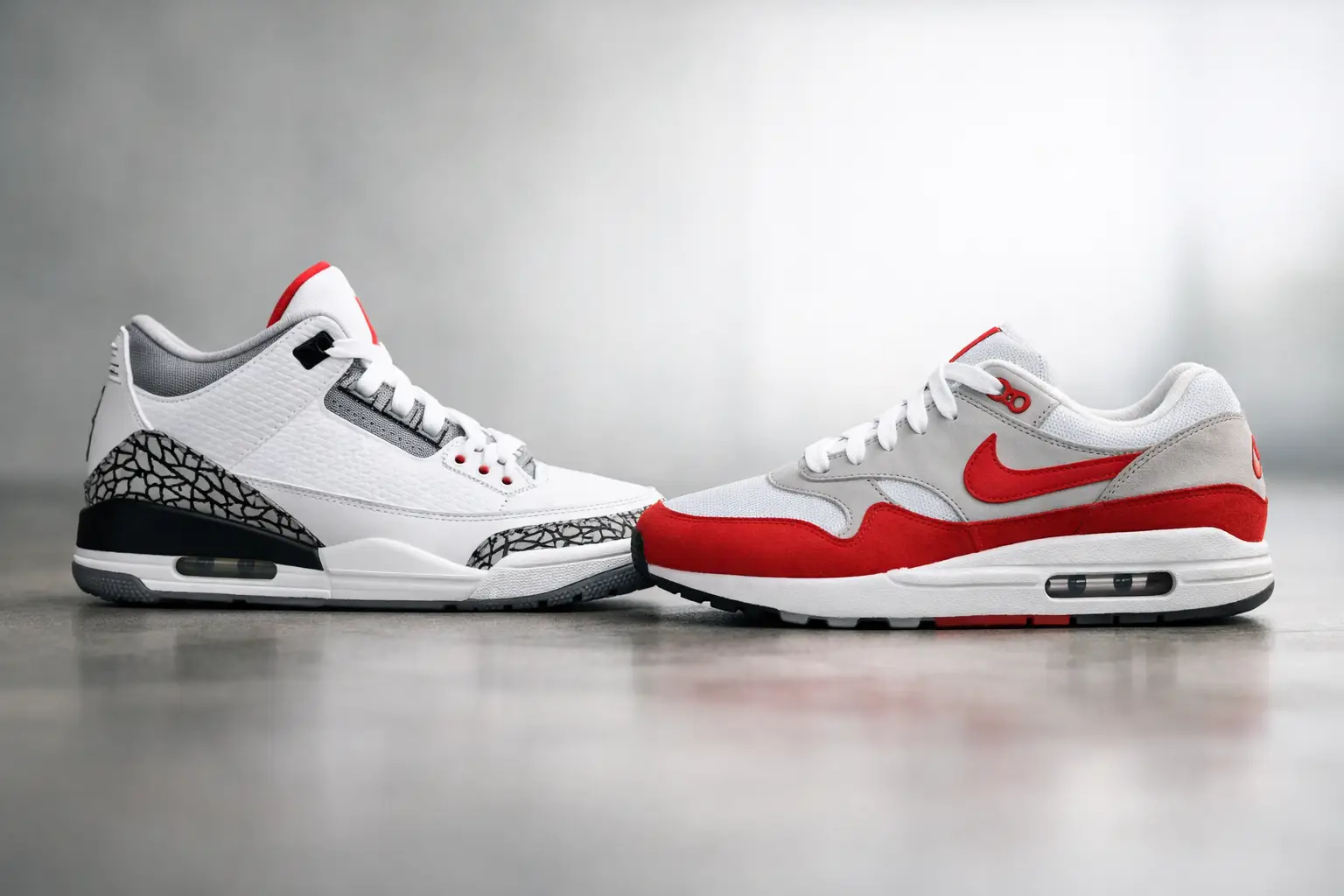
Slim, low-profile terrace shoes remain a strong option with wide pants and track-inspired looks. Their low stance keeps volume at the bottom of the outfit under control. Classic basketball shoes and skate-informed silhouettes still work, particularly with straight denim, shorts, and layered hoodies, but color choices are becoming more selective. A clean white, black, gray, brown, or dark red pair tends to get more wear than a sneaker bought purely for its release-day impact.
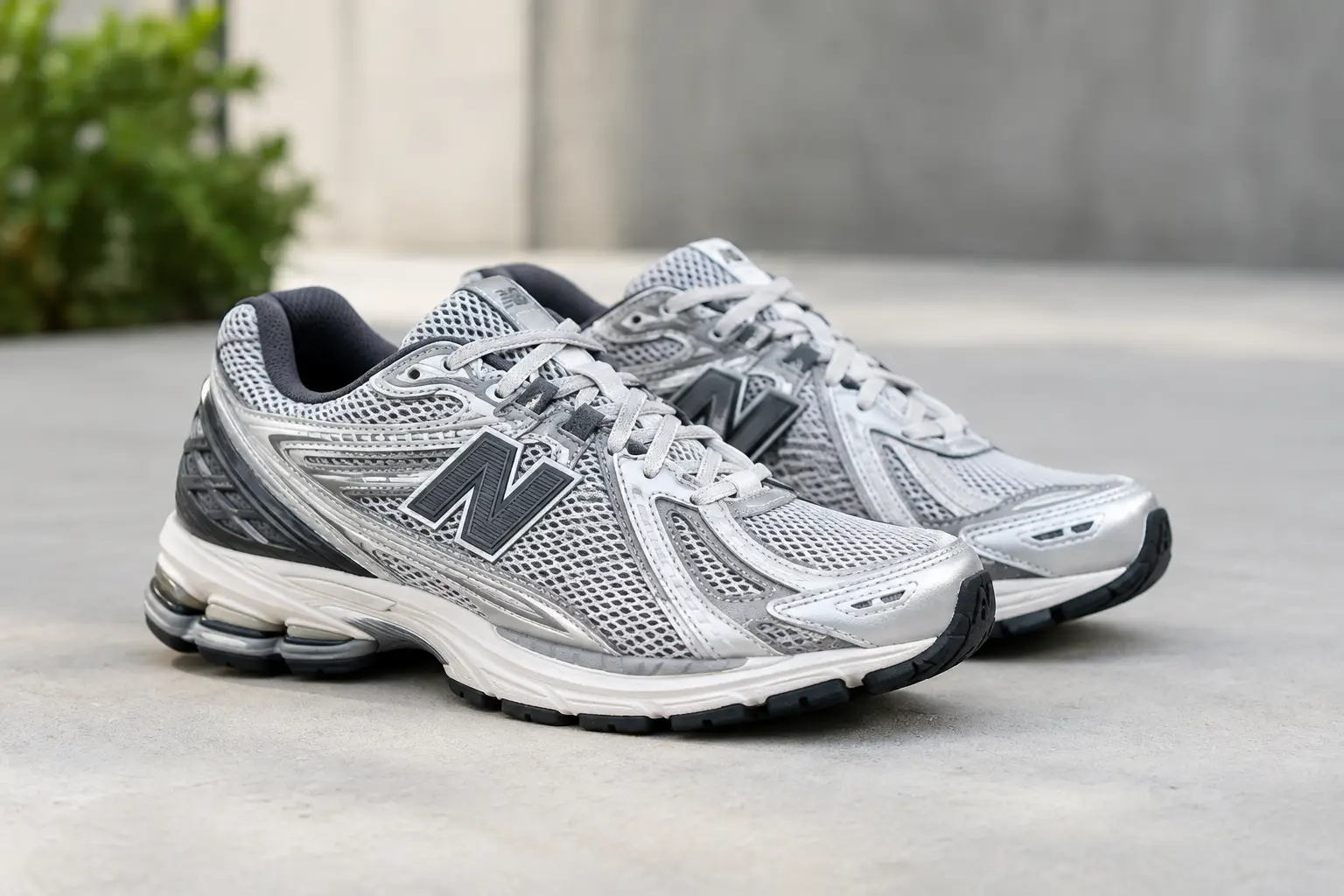
Retro runners are also central, especially models with mesh, suede, and visible paneling. They offer a softer, more technical shape than a terrace shoe without overwhelming relaxed tailoring or workwear. This is where comfort and styling align, although some vintage-inspired runners have narrower toe boxes than their cushioned appearance suggests. Fit matters more than the trend label.
A sneaker rotation does not need to be huge. Three well-chosen categories cover most looks: a low-profile everyday pair, a retro runner, and a more substantial high-top or basketball-inspired option. Add a weather-ready trail shoe only if it fits how you actually move through your week.
Color is being used with more restraint
Neutral sneakers are winning because outfits have more texture and layering than before. That does not mean color is gone. It means color is more strategic. Burgundy, cobalt, racing green, yellow, and silver work best as one clear note, whether they appear in footwear, a scarf, a cap, or a jersey.
Silver deserves special attention. Metallic sneakers and accessories bring a futuristic edge to otherwise understated fits, especially next to washed denim, gray fleece, or black tailoring. The mistake is treating silver as a reason to make everything else loud. Let it catch the light, then keep the rest controlled.
How to Build the Look Without Buying a New Closet
The smartest way to approach European streetwear is to start with what already earns repeat wear. Pull out your best wide-leg denim, straight black pants, neutral hoodie, overshirt, and two favorite pairs of sneakers. Then identify the missing piece that can connect them. It may be a football top, a cropped work jacket, a technical shell, or a pair of suede runners.
Avoid buying five versions of the same trend. One good jersey has more impact than a stack of novelty tops, and one dependable jacket will outperform several pieces that only work in a single fit. Collectible items can be the exception, but even then, ask whether you want to archive it, resell it, or wear it. Those are different decisions.
Fit is where most outfits succeed or fail. Try a relaxed pant with a fitted top, or an oversized top with a straighter bottom. Keep an eye on hem length, especially with low-profile sneakers. Pants that bunch heavily over the shoe can erase the clean line that makes those models work.
Accessories should feel useful rather than decorative. A cap, crossbody bag, understated jewelry, or worn leather belt can finish the fit. Four accessories competing for attention usually do the opposite. Streetwear has room for excess, but the current European mood is sharper when there is one focal point.
The best thing about this moment is that it leaves space for taste. Build around a sneaker you genuinely want to wear, a layer that improves the silhouette, and a reference that means something to you - whether that is your club, your city, or a piece from a brand you have followed for years. That is how a trend becomes a rotation.