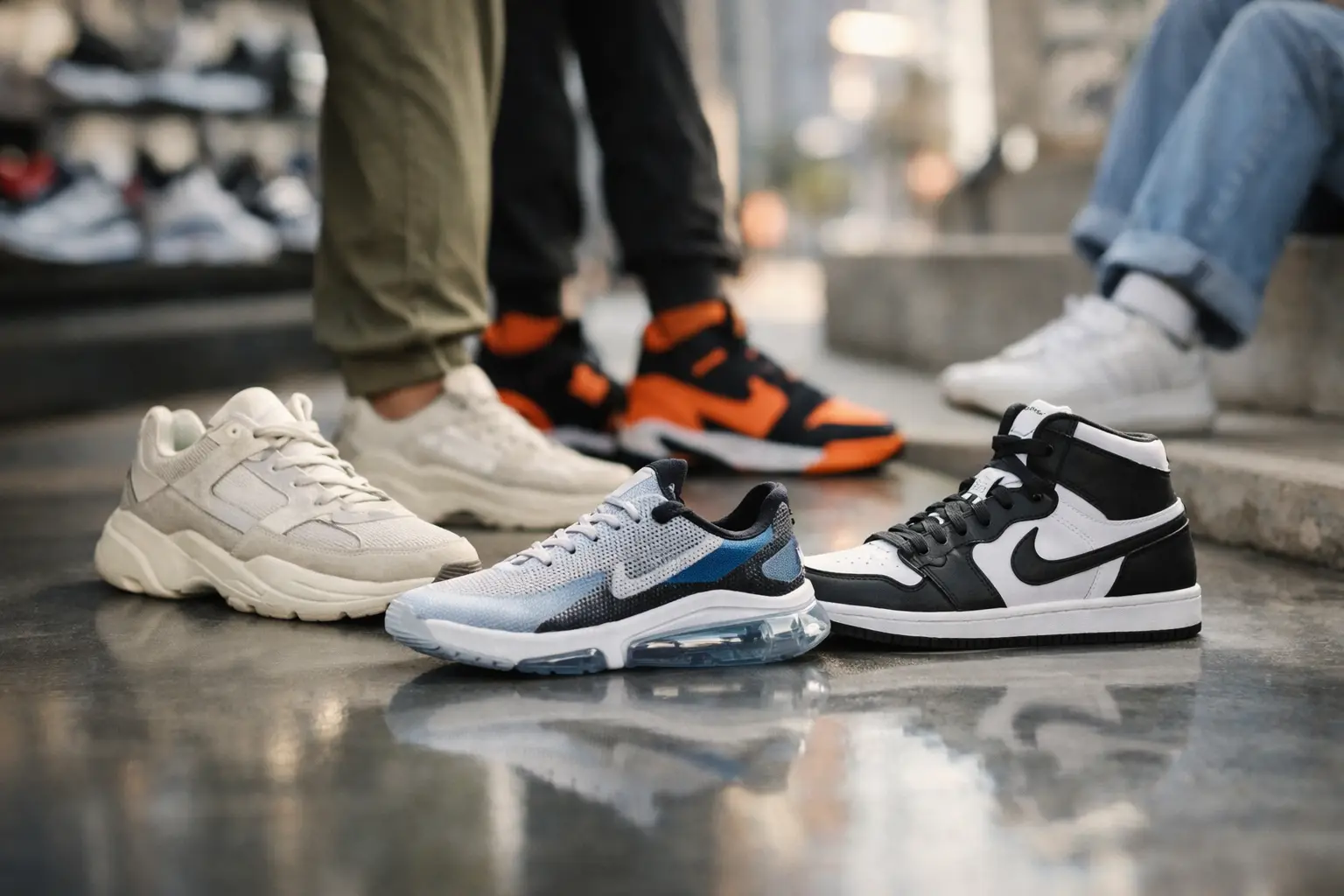
A grail used to be the pair everyone wanted. Now, it is just as likely to be the pair that makes an outfit feel unmistakably yours. The biggest sneaker culture trends are moving away from one-size-fits-all hype and toward better taste, deeper product knowledge, and collections with a point of view.
That does not mean limited releases have lost their pull. A rare collaboration still creates a moment, and certain colorways can still change hands for serious money. But the center of the culture is wider now. Runners, skate shoes, soccer-inspired silhouettes, archive basketball models, and low-key lifestyle pairs are all sharing the rotation. The question is no longer simply, “What is the hottest release?” It is, “What will you actually wear, remember, and keep?”
Sneaker Culture Trends Are Getting More Personal
For years, the sneaker conversation was dominated by instant sellouts and resale headlines. That energy has not disappeared, but it no longer decides every purchase. People are building rotations around their own wardrobes, whether that means washed denim and vintage tees, technical outerwear, relaxed tailoring, or full skate-inspired fits.
This shift explains why straightforward shoes are having such a strong run. A clean white leather low-top, a brown suede runner, or a black-and-gum indoor sneaker can earn more wear than a louder limited pair. They work with more outfits, age with character, and do not demand attention every time they leave the box.
Personal style also means wearing shoes without treating them like museum pieces. Creases, scuffs, and faded suede are becoming part of the appeal, especially on models with real heritage. A shoe that looks better after a season of wear has a different kind of value than one that needs to stay untouched to matter.
The Retro Cycle Has Moved Beyond the Obvious
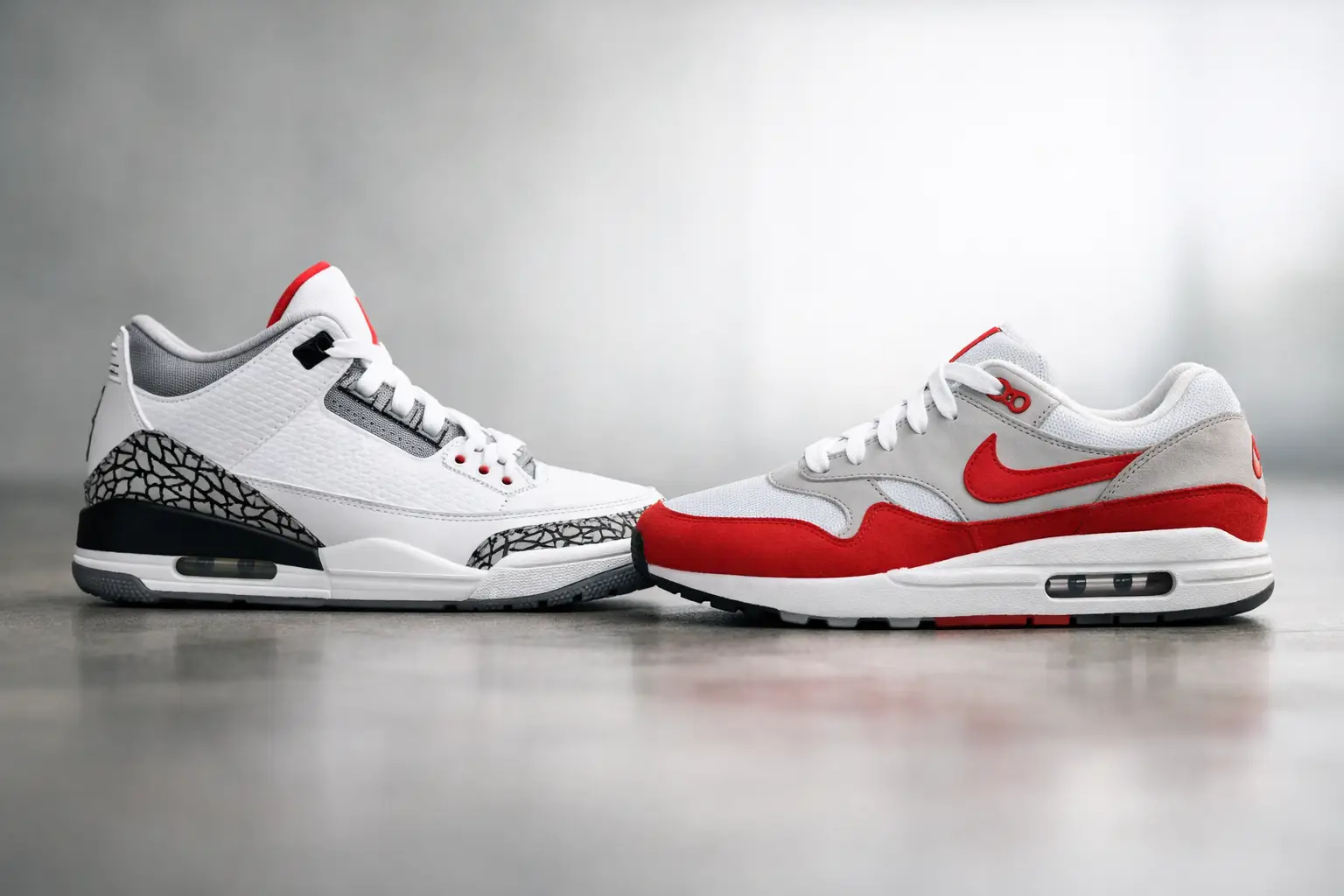
Retro basketball shoes still hold a major place in the market, but the culture has become more selective. Not every old-school silhouette gets the same response, and nostalgia alone is not enough. The pairs landing now tend to have a clear story: a meaningful original colorway, a sports connection, a regional following, or a design that feels right with current proportions.
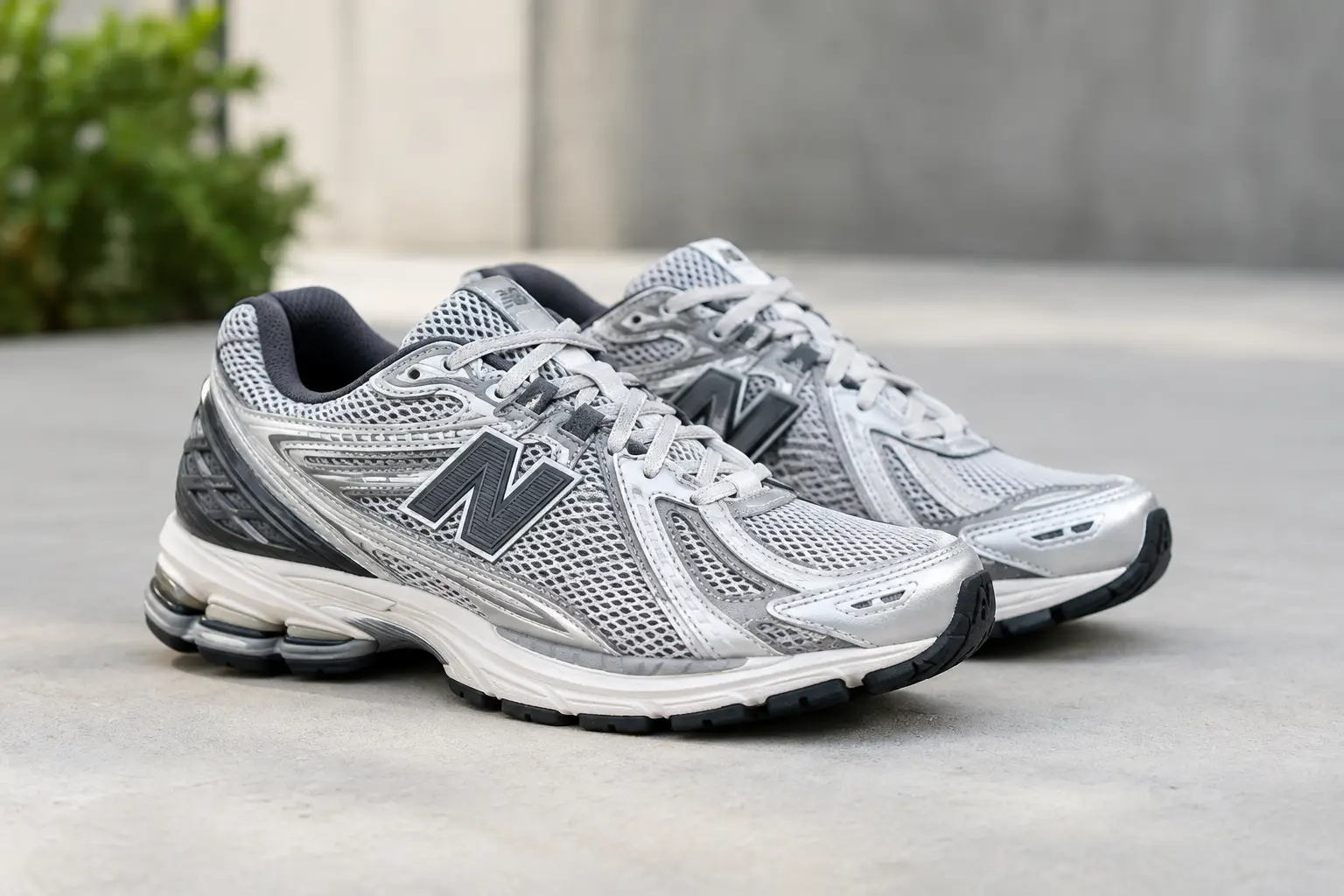
What is changing is the source material. Sneaker fans are looking beyond the most familiar 1980s and 1990s icons toward late-1990s and 2000s running, tennis, trail, and indoor training shoes. These models bring a different visual language: mesh uppers, layered panels, metallic details, low profiles, and performance-driven shapes that feel fresh beside wider pants and oversized outerwear.
The trade-off is simple. Archive models can be less universally easy to style than a classic high-top or a simple low-top. They often look best when the rest of the fit gives them room to speak. Still, that is exactly why they appeal to collectors who are tired of wearing the same familiar silhouettes as everyone else.
Running Shoes Are Now Style Pieces
Performance runners are no longer reserved for early mornings and race-day photos. Cushioned, technical models have become everyday footwear because they solve a practical problem while still bringing personality to an outfit. Comfort matters more than it did during the era of flat, stiff lifestyle sneakers, especially for people who are actually on their feet all day.
The strongest versions balance function and design. Think breathable mesh, visible cushioning, sculpted midsoles, and color palettes that range from neutral silver and white to sharper hits of lime, cobalt, or orange. A good runner can make loose cargos and a heavyweight hoodie feel intentional rather than lazy.
There is one caveat: not every performance shoe translates to lifestyle wear. Some are visually too technical, too tall, or too loud for a daily rotation. If you are buying a runner for style first, consider the profile from the side, the width through the toe box, and how it looks with your preferred pant length.
Slim Profiles Are Pushing Back Against Bulk
At the other end of the spectrum, low-profile sneakers are cutting through the chunkier runner wave. Soccer-inspired shoes, classic terrace silhouettes, and sleek suede trainers are showing up with jeans, shorts, tailored trousers, and even more formal streetwear looks.
Their appeal is easy to understand. A slimmer shoe exposes more of the outfit and makes wide-leg pants look cleaner. It also offers an alternative for anyone who feels that oversized midsoles have reached saturation point. Gum soles, contrast stripes, and textured suede add enough detail without turning the shoe into the entire look.
This is not a total replacement for maximal sneakers. It is more of a correction. The most interesting rotations mix both: a technical runner for high-energy fits and long days, then a leaner indoor-style shoe when the outfit needs a sharper line.
Collaborations Need a Real Reason to Exist
The collaboration market is maturing. A logo swap and a limited quantity are not always enough to create lasting interest. The pairs that stay culturally relevant tend to connect to a genuine story, whether it is a local creative scene, a forgotten archive model, an artist’s visual world, or a brand with a recognizable design language.
Material choices matter too. Better suede, premium leather, unusual textiles, considered packaging, and well-executed color blocking can turn a collaboration into something worth keeping. The product needs to stand on its own after the launch campaign has faded.
For collectors, this creates a useful filter. Before chasing a release, ask whether you would still want the shoe if the collaborator’s name were removed from the tongue. If the answer is no, the excitement may be more about the moment than the pair itself. There is nothing wrong with buying into a moment, but it helps to know which kind of purchase you are making.
Sneaker Collections Are Becoming More Curated
The era of buying every drop has become harder to justify. Prices are higher, closet space is limited, and many people would rather own twelve pairs they genuinely wear than fifty boxes full of near-duplicates. That is pushing sneaker collecting toward curation.
A smart rotation usually has range: an easy everyday pair, a comfort-first option, something weather-ready, a cleaner shoe for nights out, and one or two pairs with real emotional or cultural weight. The exact formula depends on how you dress, where you live, and whether you collect to wear, display, or eventually trade.
Color is part of that strategy. Neutral sneakers remain reliable, but earthy tones, deep burgundy, faded blue, moss green, and metallic silver are becoming stronger alternatives to plain black and white. These shades still work across a wardrobe while making a collection feel less predictable.
Condition Still Matters, but So Does Wearability
Deadstock pairs will always appeal to certain collectors, particularly when the shoe is rare or historically significant. Yet more buyers are willing to consider lightly worn sneakers if the price reflects the condition and the pair is still ready for regular use. This is especially true for older releases that were made to be worn, not stored indefinitely.
The key is honesty with yourself. Vintage foam, aging glue, and fragile materials can make a shoe more collectible but less practical. If you want to wear a pair weekly, prioritize construction and condition over the thrill of owning an older box. If you are buying a piece of history, accept that it may be better for the shelf than the sidewalk.
What These Trends Mean for Your Next Pair
The best move is not to chase every signal from the market. Start with the gap in your rotation. Maybe you need a technical shoe that can handle travel and long days. Maybe your closet has plenty of statement sneakers but no clean pair that works with almost everything. Or maybe you have been wearing the same familiar retro for years and want an archive runner that changes the energy of your fits.
Pay attention to how a shoe fits your real life, not just how it photographs. Look at comfort, materials, styling range, and whether the colorway will still feel right after the launch-day noise dies down. A sneaker can be culturally relevant and still be the wrong buy for you.
The most valuable collection is not necessarily the most expensive one. It is the one that tells a clear story every time you get dressed - where your taste has been, what you care about now, and which pairs you will still want to lace up long after the trend cycle moves on.